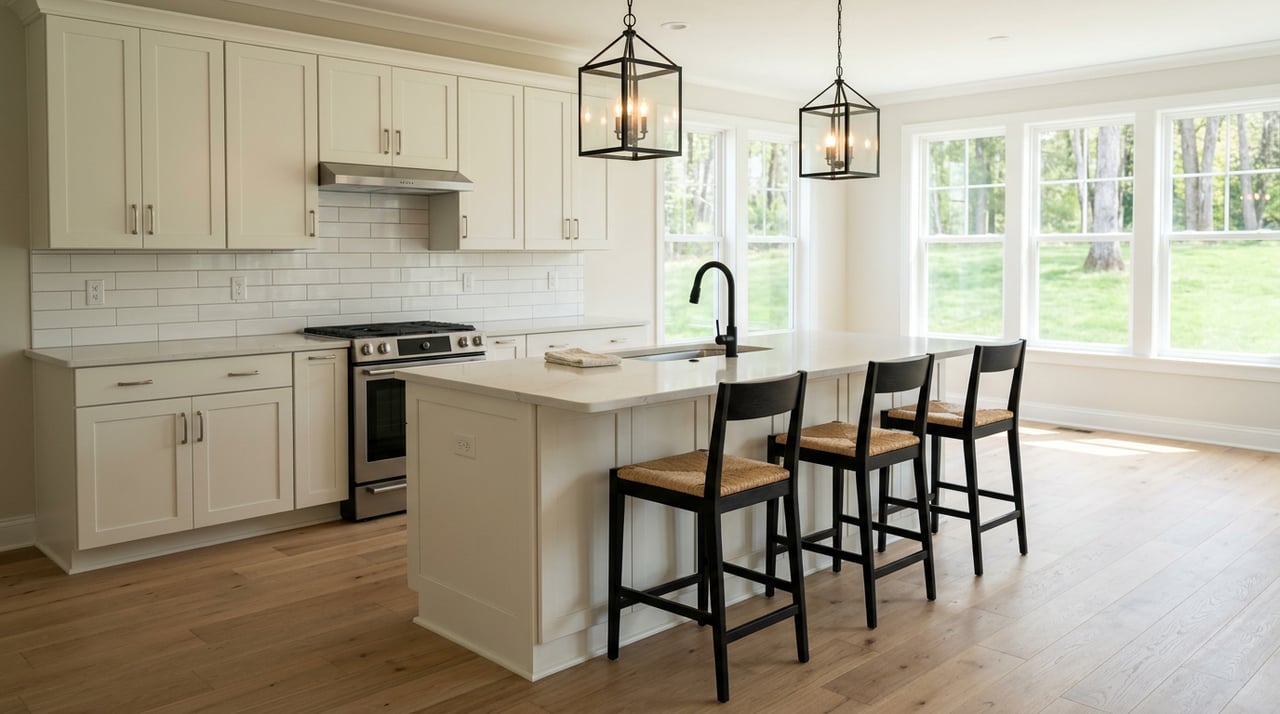
Guide to New Construction Homes in Greer, South Carolina
March 5, 2026
March 5, 2026
Thinking about a new construction home in Greer but unsure where to start? You are not alone. Between builder options, timelines, and extra costs, it is easy to feel overwhelmed. In this guide, you will learn what to expect on price and product types, how inspections and warranties work, and how buyer representation protects you in South Carolina. Let’s dive in.
Greer sits between Greenville and Spartanburg with quick access to I‑85 and Greenville‑Spartanburg International Airport. That location draws relocators and employees tied to the airport and nearby manufacturers, which helps fuel steady new-home development. You can see how Greer’s positioning supports growth in the city’s overview of the area’s economic drivers and connectivity to GSP and I‑85 on the City of Greer site.
Buyers often find that Greer delivers a newer floor plan and more square footage for the price compared to central Greenville neighborhoods. Published portal medians vary by source and month, but recent snapshots place Greer in the mid to high $300ks to low $400ks, with individual communities ranging above and below that. The right fit depends on your lot, finishes, and timeline.
Price bands vary by builder, product type, and finishes. Here is a practical look at common ranges with local examples:
From 2024 to 2026, many builders offered temporary rate buydowns, closing-cost credits, and design-center allowances. These are often tied to the builder’s preferred lender and title company. That can reduce your cash to close, but you should still compare independent lender quotes. Community pages, such as Meritage’s Valentine Townes, frequently outline current incentives.
You will see a mix of national production builders and regional or semi-custom players.
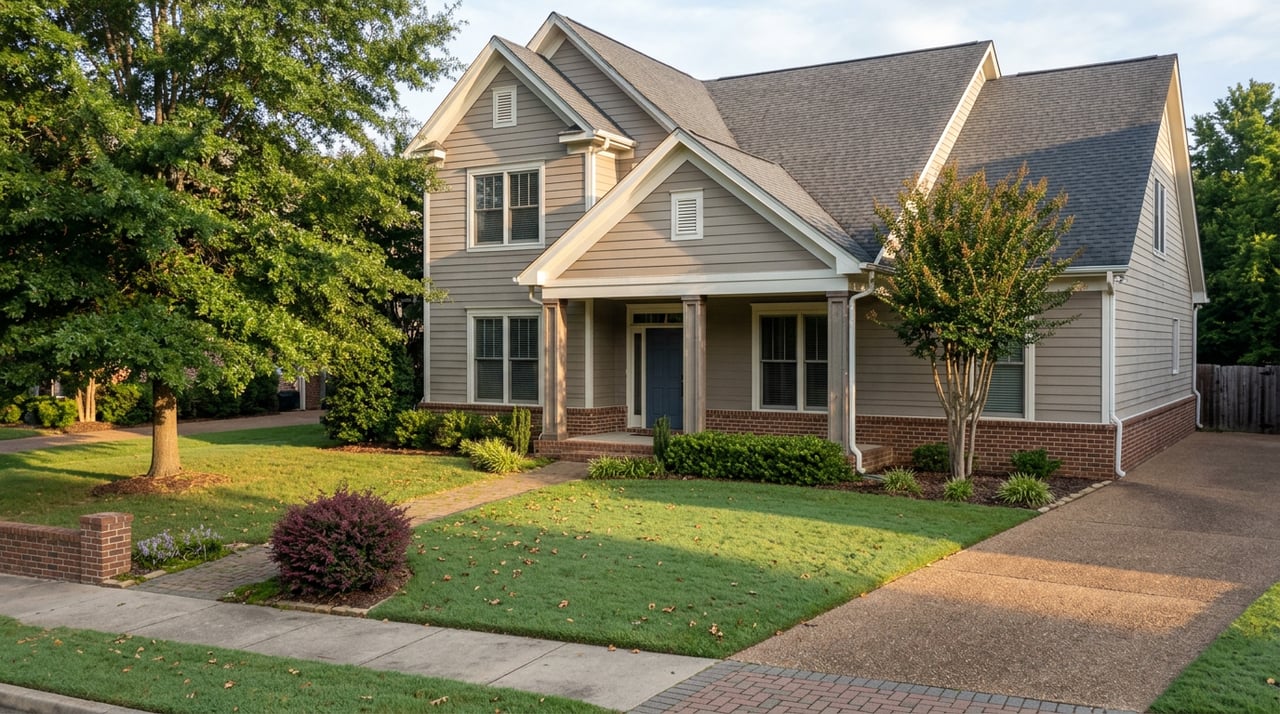
Product types include townhomes, single-story ranches and two-story homes, and semi-custom plans with optional basements or walk-out lots.
For production builds, a realistic timeline from start to finish is often 7 to 10 months. Material lead times, weather, and permit reviews can add weeks. If you need to move quickly, consider a spec or quick-move home that is already underway. For a deeper look at typical delays and how to prepare, review this NewHomeSource overview of common new-home delays.
Permits and inspections are handled by the applicable county or the City of Greer, depending on the parcel. Confirm the permitting authority early, especially since Greer sits in both Greenville and Spartanburg counties. Builders manage permits in production communities, but custom lots involve extra plan reviews. For a state-level view of permitting and who oversees what, consult this South Carolina permitting resource.
Independent inspections protect you, even on a brand-new home. At minimum, schedule:
Most reputable builders provide a staged warranty often described as 1 year for workmanship, 2 years for systems, and 10 years for structural components. Many use third-party structural warranties. Before you close, ask for the full warranty packet in writing and confirm whether the structural coverage is insurance-backed. See the difference between structural warranties and service agreements in this 2‑10 Home Buyers Warranty explainer.
In South Carolina, agency is a written relationship between you and a brokerage. You should sign a buyer-agency agreement that explains duties and compensation before you start touring. Review the state’s consumer protection framework in the South Carolina Code of Laws on real estate practice.
Builder sales reps represent the builder, not you. Bring your agent to the first appointment so they can register with the community, preserve your negotiation leverage, and ensure your questions are documented.
Since the 2024 industry settlement, buyer-broker compensation is negotiated and is not displayed on MLS in the same way. Some sellers and builders still offer cooperative compensation, but the terms should be in writing in your agency agreement. For context on these national changes, see this overview of how commission rules shifted after the settlement.
When you go under contract with a builder, review these items closely and request clarifying addenda where needed:
For a plain-language checklist of new construction contract topics and selection pricing tips, review this buyer’s guide to new construction.
Use this quick list to keep your purchase on track:
If you are weighing townhomes in the low $200ks, a family-friendly move-up plan, or an executive home with more land, having a local advocate at your side matters. From pricing and incentives to inspections and warranties, I will help you compare options and protect your timeline. Reach out to Andreana Horowitz Snyder to start your Greer new construction search. Schedule a Free Consultation.
Stay up to date on the latest real estate trends.
Building and maintaining relationships and achieving the goals of her clients are her top priorities. As an experienced agent with extensive market knowledge, She is committed to providing the very best service to her clients by being responsive, working diligently, and offering a stress-free approach to buying and selling. Work with Andreana today!