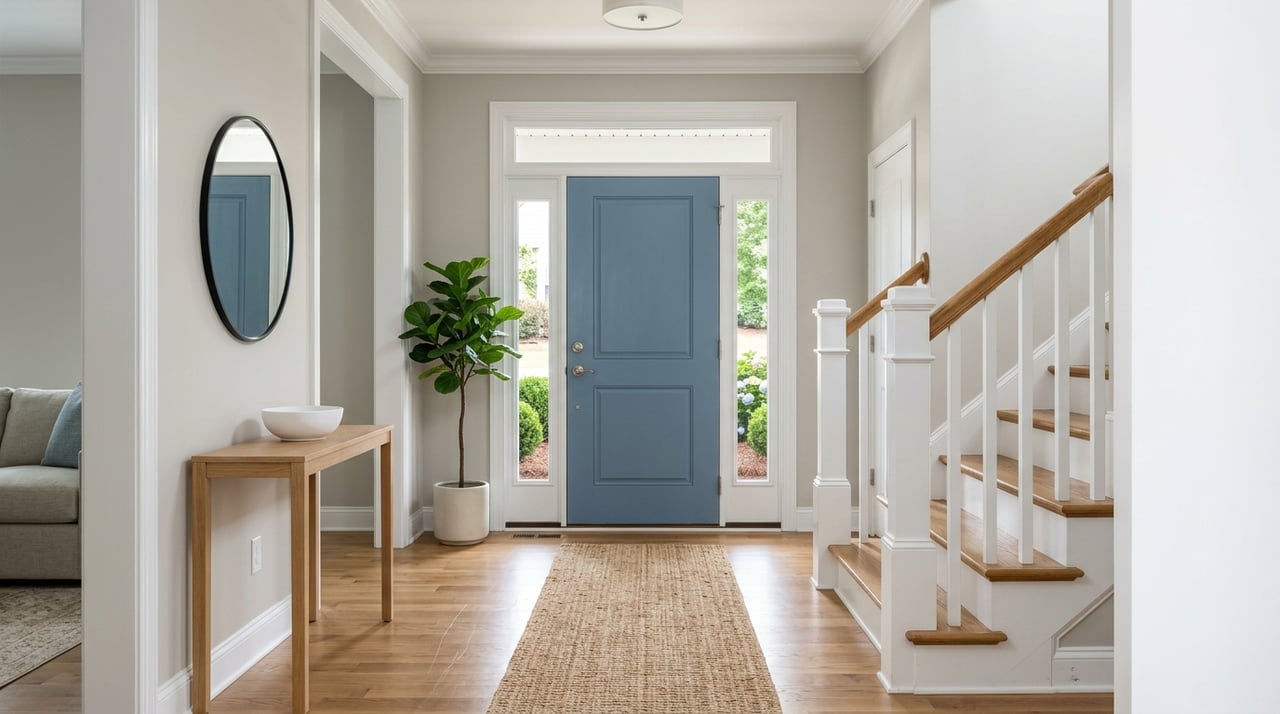
Your Simpsonville Home Selling Checklist for Listing Prep
May 14, 2026
May 14, 2026
Selling your home in Simpsonville can feel like a race against the clock, especially when you know buyers are scrolling photos before they ever step through the front door. In a market where homes are still moving but buyers are paying close attention to condition and price, the right prep can make a real difference. This checklist will help you focus on the steps that matter most, from early paperwork to final photo day details, so your home looks polished and market-ready. Let’s dive in.
Simpsonville remains an active market, but it is not a market that rewards rushed listing prep. Current data shows homes are typically taking a few weeks to sell, with reported time on market ranging from about 28 to 40 days depending on the source and methodology.
That kind of pace gives buyers options. It also means details like cleanliness, visible maintenance, and strong listing photos can shape first impressions quickly. With sale-to-list trends hovering close to even, accurate pricing and clean presentation work best together.
Before you think about staging or photography, gather the documents you may need to sell. In South Carolina, most residential sellers are required to provide a completed and signed Residential Property Condition Disclosure Statement before the real estate contract is formed.
If new information comes up later that makes one of your answers inaccurate, you must promptly correct it. If your home is part of an HOA, condo regime, or similar covenant structure, the state form says a separate addendum should be attached before contract.
Having your paperwork ready early can make the listing process smoother. Useful documents to gather include:
If your home was built before 1978, there is another step to handle early. Sellers of pre-1978 homes must provide lead-related information, disclose any known lead-based paint or hazards, share any reports in their possession, and give the buyer a 10-day opportunity to conduct a lead inspection or risk assessment unless the parties agree otherwise.
Not every home needs a major update before it hits the market. In fact, the strongest pre-listing guidance points to targeted fixes and presentation, not broad renovation.
Start with the things buyers and photographers will notice right away. Small issues can make a home feel less cared for, even when the larger systems are in solid shape.
Walk through your home as if you were seeing it for the first time. Make a list of visible problems and tackle those first.
Common pre-listing fixes include:
These items may seem small on their own, but together they affect how finished your home feels. The goal is to remove distractions so buyers focus on the space itself.
If you are planning repairs that go beyond cosmetic touch-ups, check local permit requirements before the work starts. Simpsonville’s permit guidance notes that contractors need a current Simpsonville business license and state license, and the city provides centralized permit materials through its forms and permits resources.
That step matters because you do not want a last-minute project to create delays. If you are unsure whether a repair needs permitting, it is smart to verify before scheduling contractors.
A deep clean is one of the highest-value things you can do before listing. National staging research shows cleaning the entire home is one of the most commonly recommended steps by listing agents.
Cleaning first also makes decluttering easier. Once surfaces, floors, kitchens, and bathrooms are fully clean, it becomes easier to spot what should stay, what should be stored, and what needs to go.
Your cleaning checklist should go beyond daily upkeep. Aim for a level of clean that reads well both in person and in photos.
Pay extra attention to:
If you have pets, remove odors and fur as thoroughly as possible. Buyers may notice scents and surfaces immediately, even if you have grown used to them.
Decluttering is consistently one of the most recommended seller prep steps. It helps buyers see the size of the rooms, understand traffic flow, and picture how they might use the space.
Think of decluttering as editing, not erasing. You want your home to feel lived in and welcoming, but not crowded or overly personal.
Start by taking out anything that makes a room feel busy. Less visual clutter helps rooms appear calmer and more functional.
Remove or store:
Closets matter too. Buyers often open them, so leave enough open space for them to look useful rather than packed.
If you are deciding where to spend your time and energy, focus on the rooms buyers care about most. Staging research points clearly to four priority spaces: the living room, primary bedroom, kitchen, and dining room.
That does not mean every room needs to look like a magazine spread. It means the main spaces should feel clean, balanced, and easy to understand.
Furniture should fit the room, not overwhelm it. When pieces are too large or too numerous, buyers have a harder time seeing the home’s layout and usable space.
As you stage, aim for:
If a room has too much furniture, remove a few pieces. A room that feels slightly sparse usually shows better than one that feels crowded.
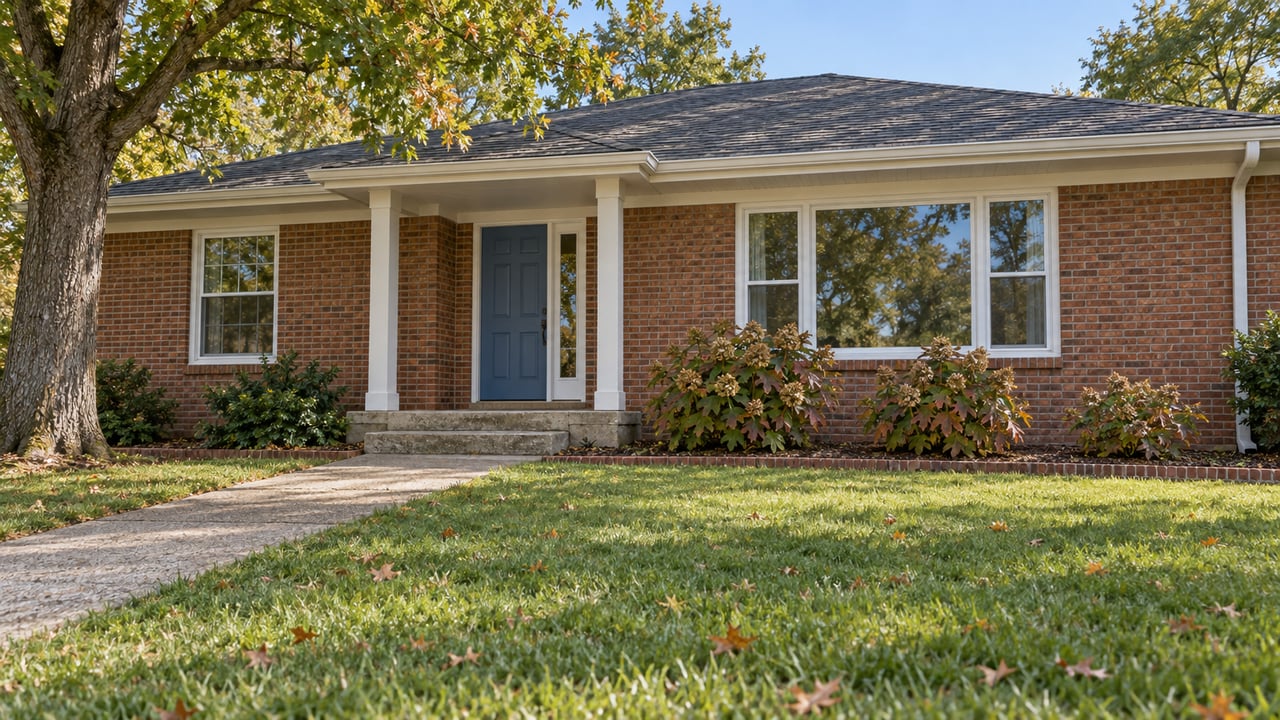
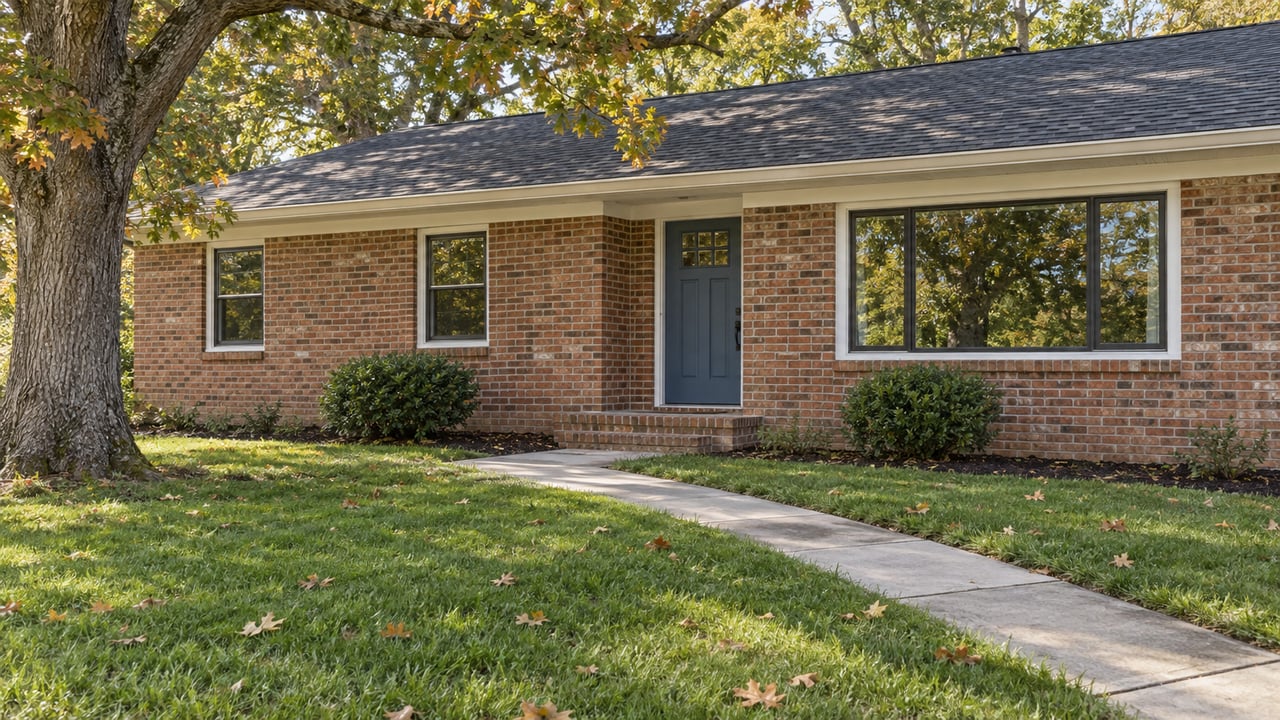
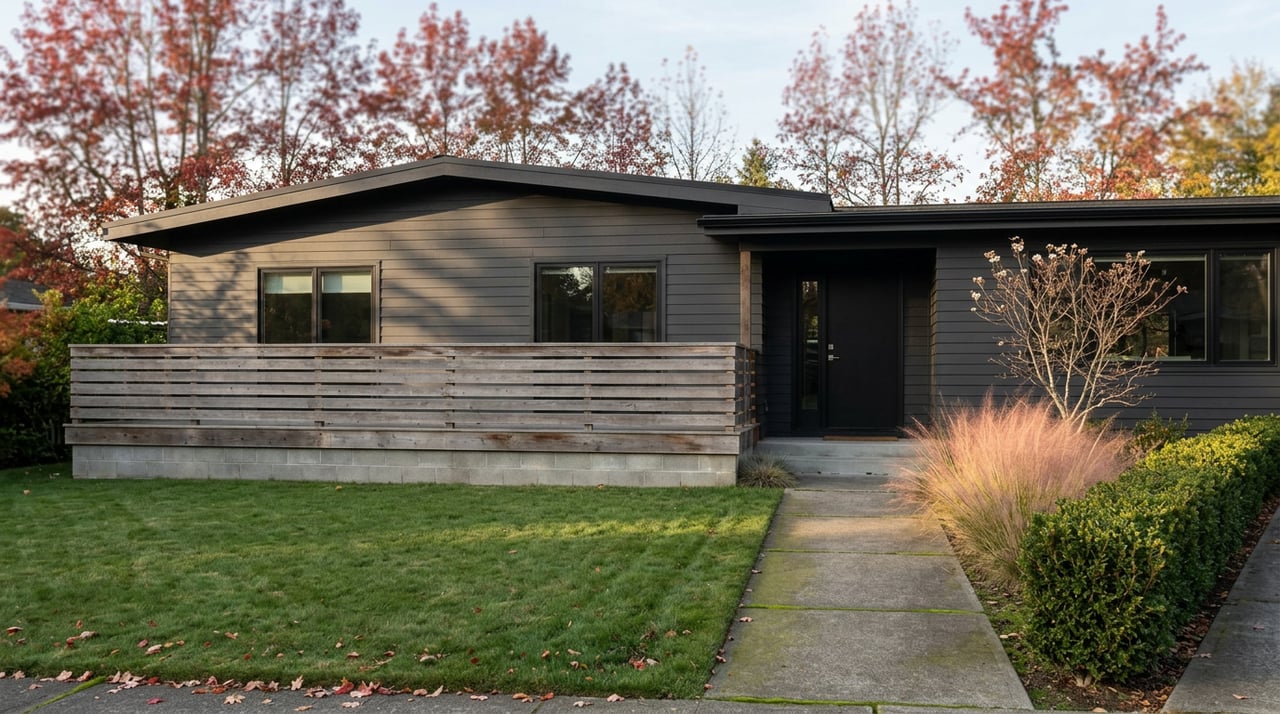
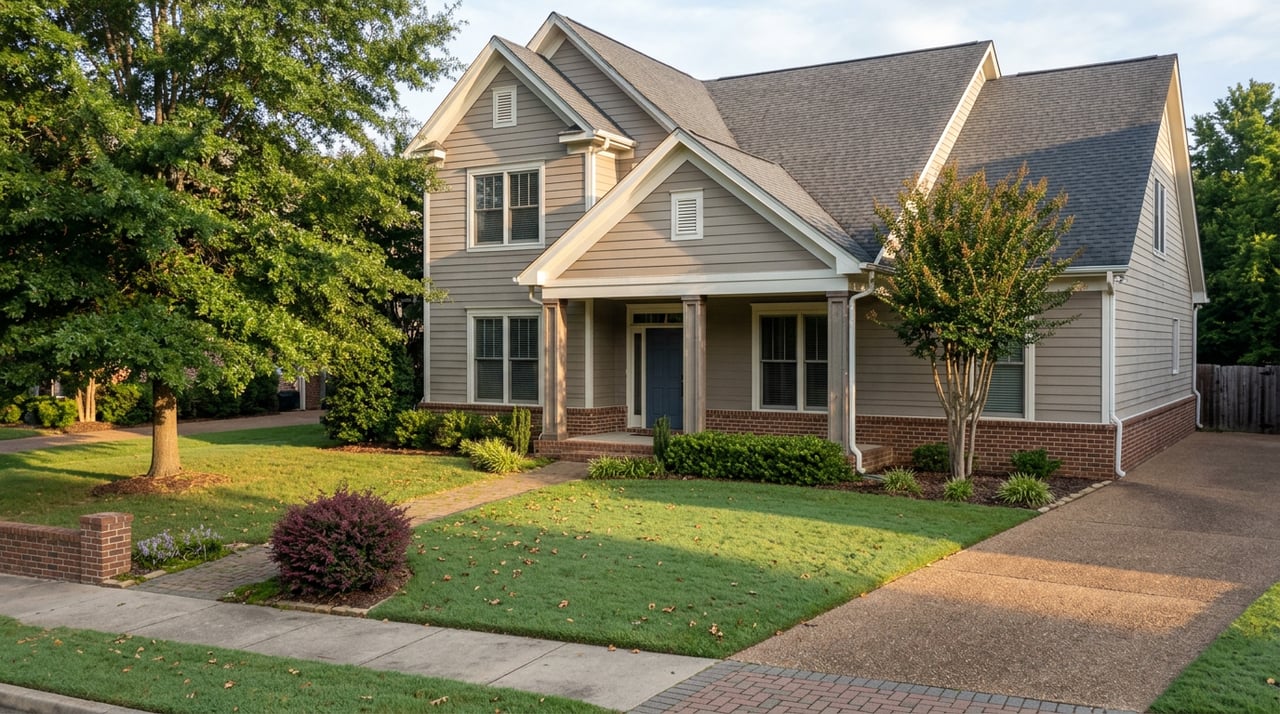
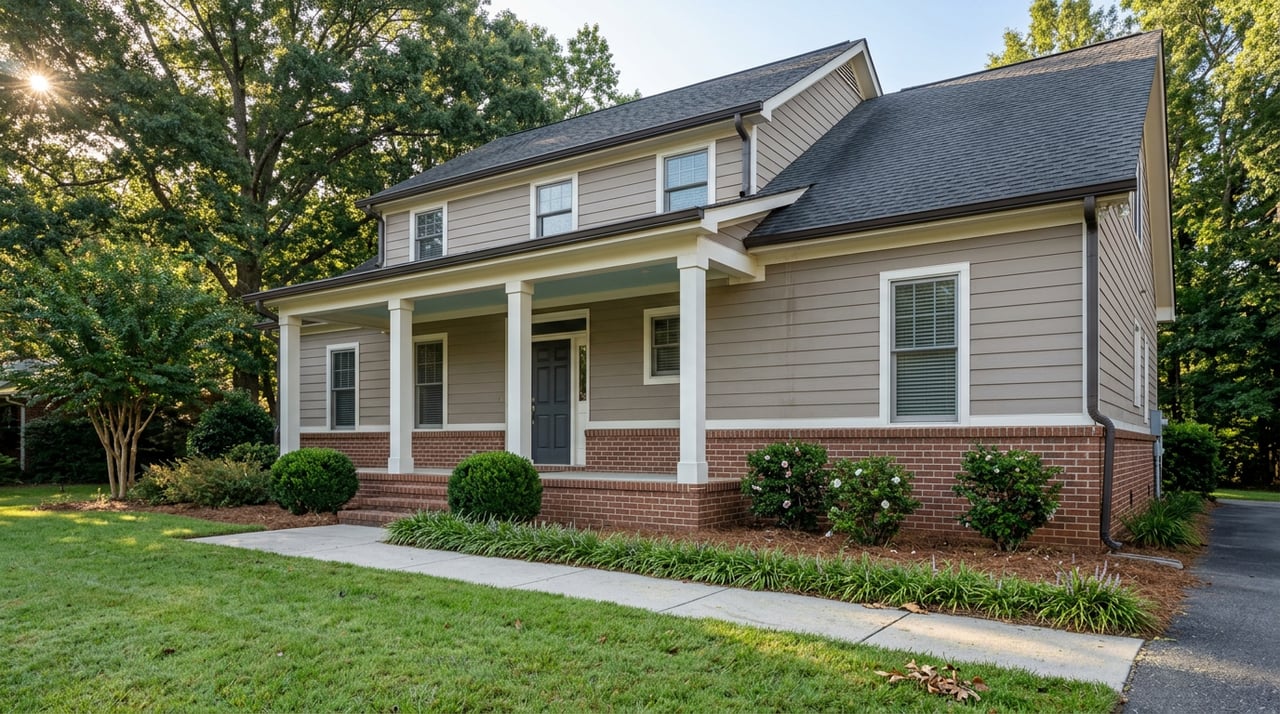
Curb appeal remains one of the top seller prep priorities. It matters in person, and it matters even more online because the exterior photo is often the first image buyers see.
Before listing, tidy up the front of the home by:
You do not need a full landscape overhaul. You just want the exterior to look clean, maintained, and inviting.
One of the biggest mistakes sellers make is booking photography too early. Photos should happen after repairs, cleaning, decluttering, and staging are done.
That order matters because listing photos are one of your strongest marketing tools. Research shows both buyers’ agents and sellers’ agents consider photos important in the majority of listings.
Before the photographer arrives, do one final pass through the home. Make sure it looks finished, not almost finished.
Your photo-day checklist can include:
Try to keep the home consistent from room to room. A polished listing usually feels calm, bright, and distraction-free throughout.
If you want an easy way to think about the process, follow this order:
This approach helps you avoid redoing work or photographing a home before it is fully ready. It also supports the kind of polished presentation that can help your listing stand out in Simpsonville.
You do not need to renovate everything to sell successfully in Simpsonville. Most sellers get more value from focused preparation, clear disclosures, visible maintenance, a clean interior, and thoughtful staging in the rooms that matter most.
When buyers see a home that looks well cared for from the front walk to the final listing photo, they can focus on the space, not the distractions. If you want a strategy that fits your home, timeline, and price point, working with a local agent who knows how to sequence prep can save you time and stress.
When you are ready to map out your next steps, Andreana Horowitz Snyder offers the kind of hands-on, detail-focused guidance that helps Simpsonville sellers prepare with confidence.
Stay up to date on the latest real estate trends.
Building and maintaining relationships and achieving the goals of her clients are her top priorities. As an experienced agent with extensive market knowledge, She is committed to providing the very best service to her clients by being responsive, working diligently, and offering a stress-free approach to buying and selling. Work with Andreana today!